
Английский язык
Практическое задание №2
Pedagogy in the Past and nowadays
1.Read the text.
In the past decade or two teaching has changed significantly. Changes have affected both the opportunities and the challenges of teaching, as well as the attitudes, knowledge, and skills needed to prepare for a teaching career.
Either in the past or in the present day, students learn at unique paces, show unique personalities and learn in their own ways. Let’s take the case of language diversity. In the USA, about 40 million people, or 14 per cent of the population are Hispanic. About 20 per cent of these speak primarily Spanish, and approximately another 50 per cent speak only limited English. The educators responsible for the children in this group need to accommodate instruction to these students. Part of the solution is to arrange specialized second-language teachers and classes. Classroom teachers must learn to communicate with students whose English language background is limited, at the same time that the students themselves are learning to use English more fluently. Teachers must plan lessons and tasks that students actually understand.
Another factor making classroom increasingly diverse has been the inclusion of students with disabilities into classrooms with non-disabled peers. The laws in the USA and Canada guarantee free, appropriate education for children with disabilities of any kind—whether the impairment is physical, cognitive, emotional, or behavioral. The laws also recognize that such students need special supports in order to learn or function effectively in a classroom with non-disabled peers, so they provide for special services and procedures for making individualized educational plans for students with disabilities.
As a result of these changes, most American and Canadian teachers are likely to have at least a few students with special educational needs, even if they are not trained as special education teachers or have had no prior personal experience with people with disabilities. Classroom teachers are also likely to work as part of a professional team focused on helping these students to learn as well as possible and to participate in the life of the school.
The diversity of modern classrooms is not limited to language or disabilities. Another recent change has been the broadening simply of the age range of individuals who count as “students.” The obvious differences in maturity between preschoolers and older children lead most teachers of the very young to use flexible, open-ended plans and teaching strategies, and to develop more personal or family-like relationships with their young “students” than typical with older students. Many individuals take courses well into adulthood even if they do not attend formal university or college. Adult education, as it is sometimes called, often takes place in workplaces, but it often also happens in public high schools or at local community colleges or universities.
Students learned from the teacher. Facts were learned from text books. Learning took place in the classroom. Teachers asked questions and students answered them. Information about faraway places was found in books.
Today students learn from the teacher, each other, the Internet, books, movies, people inside the school, people outside the school, and people in other countries. Students learn through inquiry. They ask questions, wonder, explore, experiment and investigate new ideas. They make online global connections and learn about faraway places directly from people who live in them! With the Internet, it is easy to access up-to-date information on practically any subject imaginable, often with pictures, video clips and audio to accompany them. Using such technology, teachers can focus much more on helping individuals in developing and carrying out learning plans, as well as on assisting individuals with special learning problems.
2. Answer the questions.
1. What is language diversity?
a. The unique system of learning languages.
b. The unique method of teaching languages.
c. The system to prepare for exams.
d. The existence of various languages in a region or state, and its mutual interaction.
2. What do teachers need to cope with a problem of language diversity?
a. They need to depart students who misunderstand them.
b. They need to think of second-language teachers and classes.
c. They need to forget about their existence in class.
d. They need to call their parents.
3. How to plan lessons and tasks?
a. They must be difficult.
b. They must be understandable for children.
c. It is necessary to forget about homework for children.
d. There is no necessity for preparation at all. Everything must be spontaneous.
4. What do the laws guarantee?
a. Canadian and American laws guarantee paid, appropriate education for disabled children.
b. Canadian and American laws guarantee free, appropriate education for disabled children.
c. Canadian and American laws guarantee free, inappropriate education for disabled children.
d. Canadian and American laws guarantee paid, inappropriate education for disabled children.
5. What kind of disabilities are possible to meet in schools?
a. It can be physical, cognitive, emotional or behavioral impairment.
b. It can be moral degradation.
c. It can be full misunderstanding.
d. Students with disabilities can’t be in classrooms with non-disabled peers.
6. What should teachers pay attention to in a work with students with disabilities?
a. They should provide these students for special services and procedures for making individualized educational plans.
b. They don’t need to pay attention to them at all.
c. They should not support these students.
d. They shouldn’t provide these students for special services and procedures.
7. Is adult education widespread?
a. Definitely no. There is no need to train workers.
b. Sure not. Working people have no any wish and time for it.
c. Definitely yes, especially in workplaces.
d. It happens in secondary schools too.
8. What is special about American and Canadian teachers?
a. They don’t have a higher education.
b. They don’t share their experience.
c. They go to Russia to work in prisons.
d. They prefer to have at least a few students with special educational needs.
9. What advantages does a modern education have?
a. Students continue doing their homework using their parents’ copybooks.
b. Students stay in libraries day and night.
c. Students use different up-to-date ways to get knowledge.
d. Students call grandparents to ask answers.
10. Modern technology affords teachers focus on assisting individuals with special learning problems, doesn’t it?
a. No, it doesn’t.
b. It’s impossible.
c. Yes, it does.
d. I don’t know.
3. Are these sentences true or false?
1. Teachers must learn to communicate with students whose English language background is unlimited.
2. The laws in the USA and Canada don’t guarantee free, appropriate education for children with disabilities of any kind.
3. The diversity of modern classrooms is not limited to language or disabilities.
4. Information about faraway places was found in books only.
5. Some people take courses well into adulthood even if they do not attend formal university or college.
6. The laws provide for special services students without health problems only.
7. Teachers don’t care of planning lessons and tasks for students.
8. American and Canadian teachers are likely to have at least a few students with special educational needs.
9. Adult education often takes place either in workplaces or in public high schools.
10. The educators are responsible for children.
4.Fill in the gaps with the information from the text.
1. The diversity of modern classrooms is not limited to language or ___ .
2. Students learned from the ___ .
3. Using new technology, teachers can ___ much more on helping individuals.
4. Classroom teachers should learn to communicate with students whose English language background is ___ .
5. ___ about different places was found in books.
6. Students make ___ connections and learn about faraway places from people who live in other countries.
7. Teachers asked ___ and students answered them.
8. The laws in the USA and Canada guarantee appropriate ___ for disabled children.
9. About ___ per cent of these speak primarily Spanish.
10. The laws provide for special ___ and procedures for students with disabilities.
5. Match the words on the left with the words on the right
или напишите нам прямо сейчас:
Отзывы наших клиентов
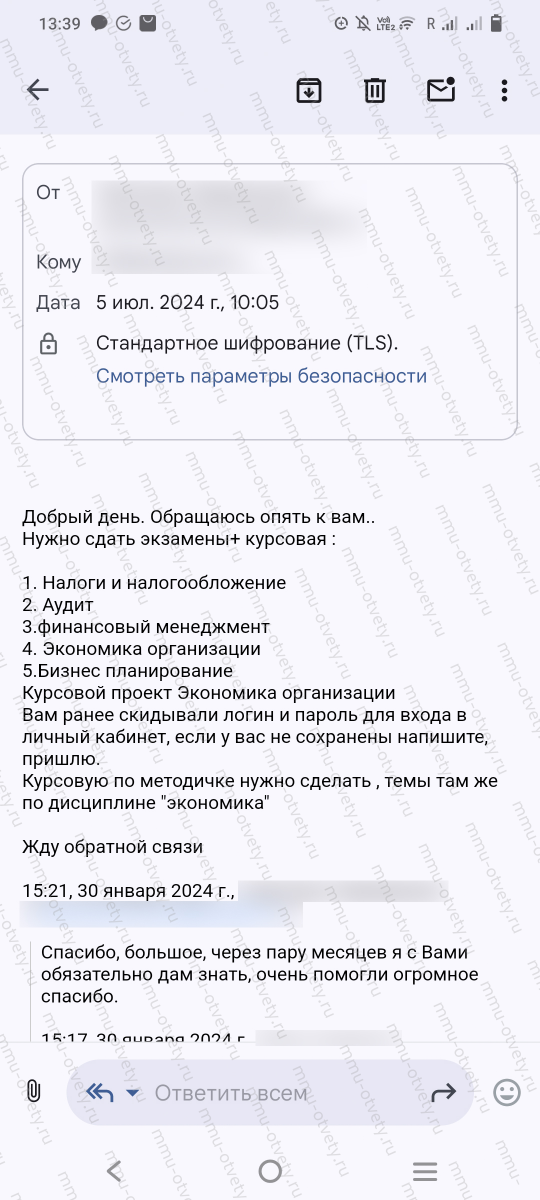
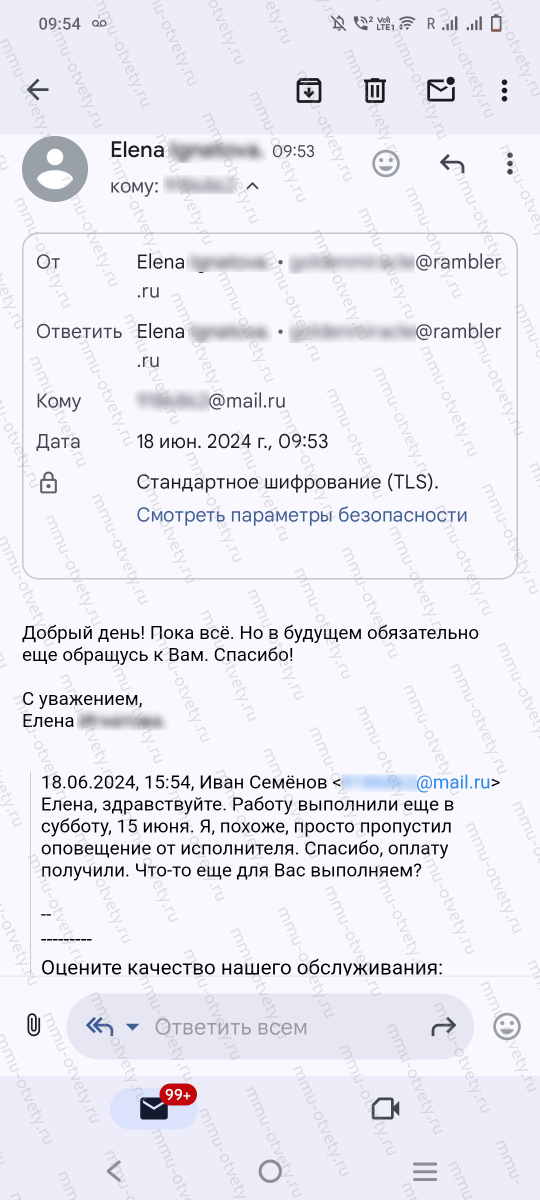
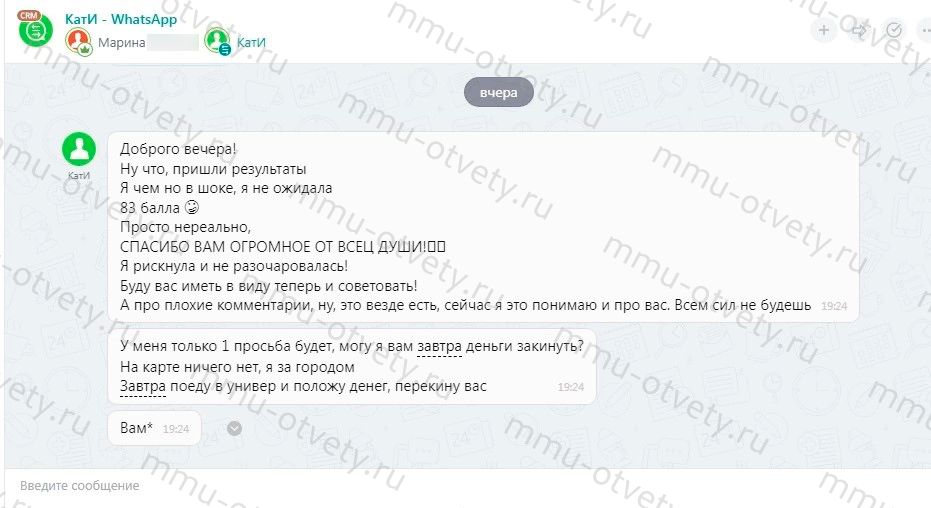
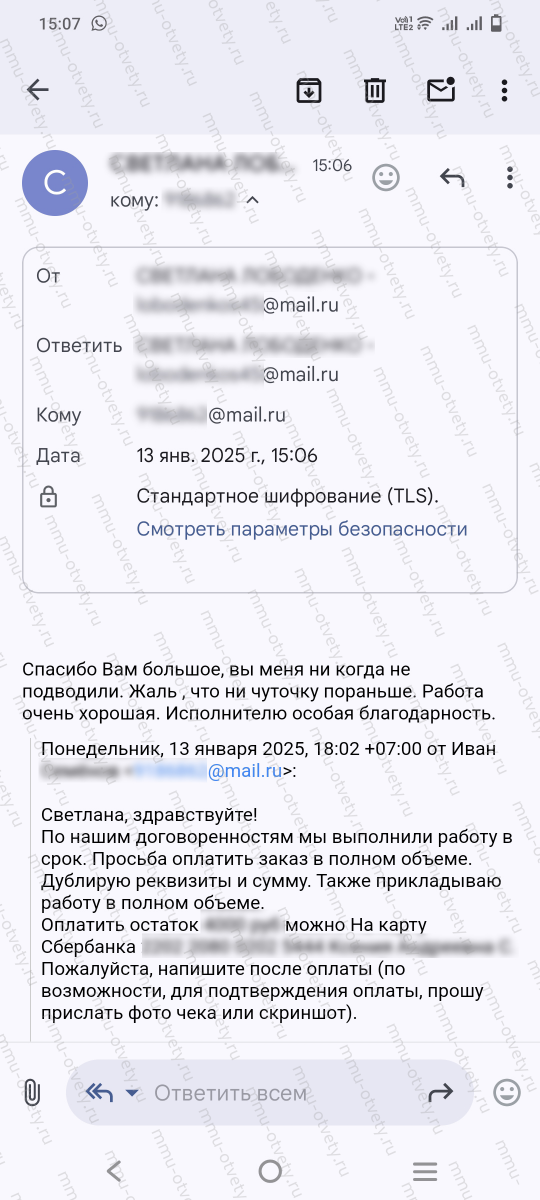
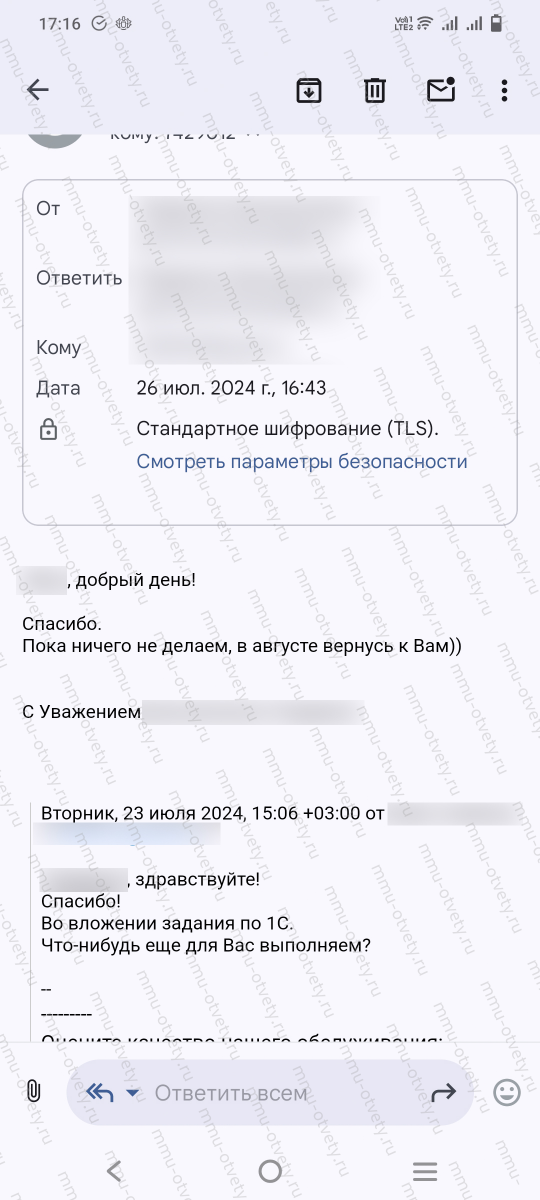
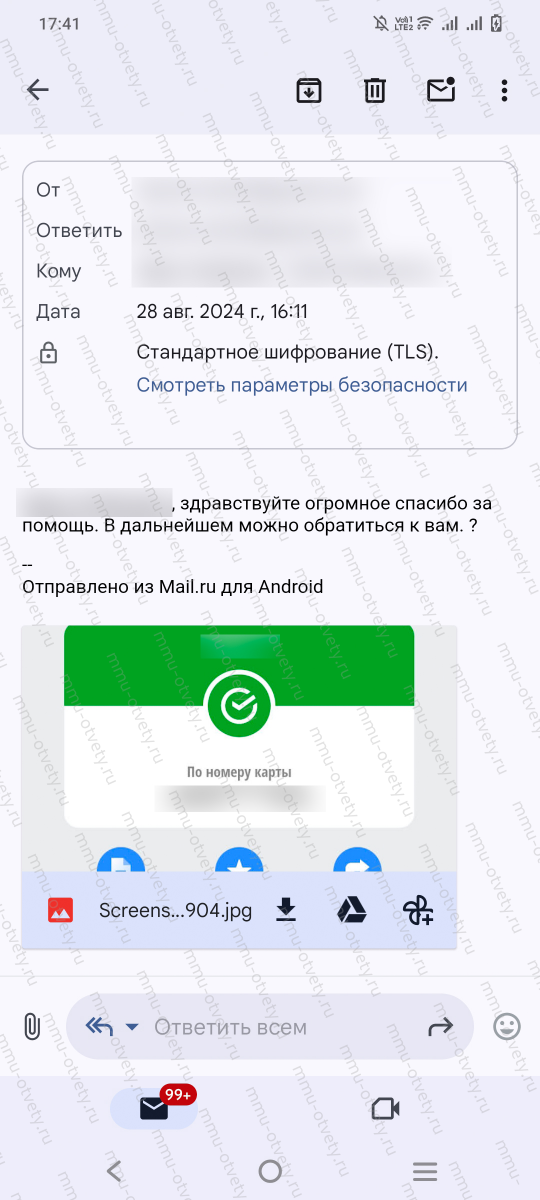
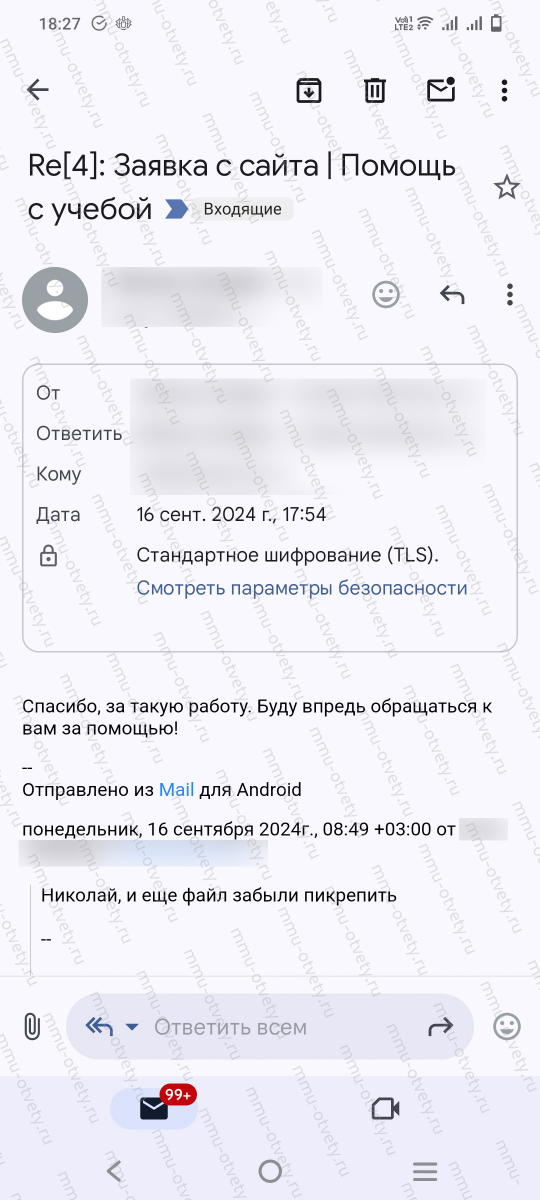
Здравствуйте, меня интересуют примерные тесты по биотехническим технологиям
Инга, здравствуйте! Поможем с подготовкой материалов для Вашего учебного проекта. Прошу Вас прислать подробное задание (методичка, заданий от кафедры, бланки, комментарии — всё, что есть) на почту 3227505@mail.ru. Я посмотрю и напишу Вам ответ на почту в самые сжатые сроки. Спасибо!
Здравствуйте! Нужно сдать сессию под ключ ММУ
Валерия, здравствуйте! Поможем с подготовкой материалов для Вашего учебного проекта. Прошу Вас прислать подробное задание (методичка, заданий от кафедры, бланки, комментарии — всё, что есть) на почту 3227505@mail.ru. Я посмотрю и напишу Вам ответ на почту в самые сжатые сроки. Спасибо!
Здравствуйте! ВКР ММУ выполняете?
Дмитрий, здравствуйте! Поможем с подготовкой материалов для Вашего учебного проекта. Прошу Вас прислать подробное задание (методичка, заданий от кафедры, бланки, комментарии — всё, что есть) на почту 3227505@mail.ru. Я посмотрю и напишу Вам ответ на почту в самые сжатые сроки. Спасибо!
Отчет по Ознакомительная практика ММУ 2 семестр электроэнергетика и электротехника
Кристина, здравствуйте! Поможем с подготовкой материалов для Вашего учебного проекта. Прошу Вас прислать подробное задание (методичка, заданий от кафедры, бланки, комментарии — всё, что есть) на почту 3227505@mail.ru. Я посмотрю и напишу Вам ответ на почту в самые сжатые сроки. Спасибо!
Преддипломная практика | П.В | Производственная практика ММУ по направлению 20.03.01 Техносферная безопасность.__2. Научно-исследовательская работа | П.В | Производственная практика
Анна, здравствуйте! Поможем с подготовкой материалов для Вашего учебного проекта. Прошу Вас прислать подробное задание (методичка, заданий от кафедры, бланки, комментарии — всё, что есть) на почту 3227505@mail.ru. Я посмотрю и напишу Вам ответ на почту в самые сжатые сроки. Спасибо!
Учебная практика. Дистанционное обучение в колледже ММУ. Торговое дело 1 семестр
Владимир, здравствуйте! Поможем с подготовкой материалов для Вашего учебного проекта. Прошу Вас прислать подробное задание (методичка, заданий от кафедры, бланки, комментарии — всё, что есть) на почту 3227505@mail.ru. Я посмотрю и напишу Вам ответ на почту в самые сжатые сроки. Спасибо!
сдать вступительный экзамены , на менеджер в энергетике, ММУ
Иван, здравствуйте! Поможем с подготовкой материалов для Вашего учебного проекта. Прошу Вас прислать подробное задание (методичка, заданий от кафедры, бланки, комментарии — всё, что есть) на почту 3227505@mail.ru. Я посмотрю и напишу Вам ответ на почту в самые сжатые сроки. Спасибо!
Технологическая (проектно-технологическая) практика | П.В | Производственная практика / институт ВТУ ММУ факультет Техносферная безопасность профиль Пожарная безопасность
Оксана, здравствуйте! Поможем с подготовкой материалов для Вашего учебного проекта. Прошу Вас прислать подробное задание (методичка, заданий от кафедры, бланки, комментарии — всё, что есть) на почту 3227505@mail.ru. Я посмотрю и напишу Вам ответ на почту в самые сжатые сроки. Спасибо!
Подскажите, пожалуйста, сколько будет стоить закрыть предмет на 2 курсе ММУ, просто тесты?
Андрей, здравствуйте! Поможем с подготовкой материалов для Вашего учебного проекта. Прошу Вас прислать подробное задание (методичка, заданий от кафедры, бланки, комментарии — всё, что есть) на почту 3227505@mail.ru. Я посмотрю и напишу Вам ответ на почту в самые сжатые сроки. Спасибо!
Колледж ММУ специальность Оператор диспетчерской службы.__Онлайн тесты за 1 семестр и отчет об учебной практике ПМ.01, 02, 03
Екатерина, здравствуйте! Поможем с подготовкой материалов для Вашего учебного проекта. Прошу Вас прислать подробное задание (методичка, заданий от кафедры, бланки, комментарии — всё, что есть) на почту 3227505@mail.ru. Я посмотрю и напишу Вам ответ на почту в самые сжатые сроки. Спасибо!
Анатомия 1 курс 2 семестр в ММУ
Юлия, здравствуйте! Поможем с подготовкой материалов для Вашего учебного проекта. Прошу Вас прислать подробное задание (методичка, заданий от кафедры, бланки, комментарии — всё, что есть) на почту 3227505@mail.ru. Я посмотрю и напишу Вам ответ на почту в самые сжатые сроки. Спасибо!
«Системы обеспечения производственной безопасности» для ММУ__Курсовая на одну из тем.
Дарья, здравствуйте! Поможем с подготовкой материалов для Вашего учебного проекта. Прошу Вас прислать подробное задание (методичка, заданий от кафедры, бланки, комментарии — всё, что есть) на почту 3227505@mail.ru. Я посмотрю и напишу Вам ответ на почту в самые сжатые сроки. Спасибо!
Сессию дистанционно в ММУ
Ангелина, здравствуйте! Поможем с подготовкой материалов для Вашего учебного проекта. Прошу Вас прислать подробное задание (методичка, заданий от кафедры, бланки, комментарии — всё, что есть) на почту 3227505@mail.ru. Я посмотрю и напишу Вам ответ на почту в самые сжатые сроки. Спасибо!
Здравствуйте, нужна помощь по сдаче вступительных тестов ММУ русский,информационные технологии,математика (инженерно-технический профиль)
Кирилл, здравствуйте! Поможем с подготовкой материалов для Вашего учебного проекта. Прошу Вас прислать подробное задание (методичка, заданий от кафедры, бланки, комментарии — всё, что есть) на почту 3227505@mail.ru. Я посмотрю и напишу Вам ответ на почту в самые сжатые сроки. Спасибо!
Ответы на вступительные экзамены в ММУ
Артём, здравствуйте! Поможем с подготовкой материалов для Вашего учебного проекта. Прошу Вас прислать подробное задание (методичка, заданий от кафедры, бланки, комментарии — всё, что есть) на почту 3227505@mail.ru. Я посмотрю и напишу Вам ответ на почту в самые сжатые сроки. Спасибо!